
Folk Catholicism and Ritual
The PeasantsThis thematic thread traces how Catholic ritual, popular belief, and seasonal observance order the villagers’ daily and communal lives.
increasing Bearing strength in each event
 decreasing
Bearing strength in each eventdecreasingPrayer in Daily Life
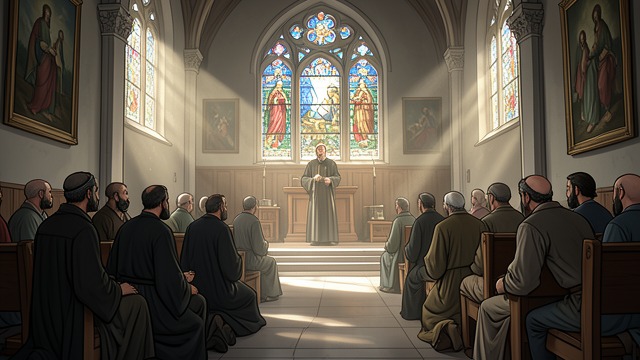
Prayer in Daily Life
Faith as habit
The villagers greet one another with religious formulas, pray before work, and mark ordinary life through the church calendar.
Ritual and rank
Church practices also reveal social hierarchy, as farmers and hired hands occupy different places in the congregation.
The Dead Remembered
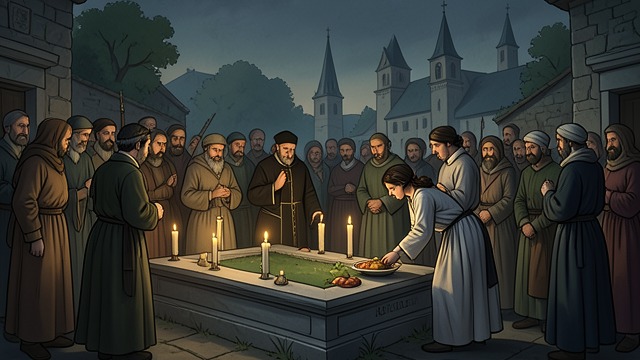
The Dead Remembered
Communal mourning
The village gathers to pray for the dead, make offerings, and visit graves on All Souls’ Day.
Local belief
Stories about souls returning and seeking food blend Catholic devotion with older customs of remembrance.
Christmas Vigil
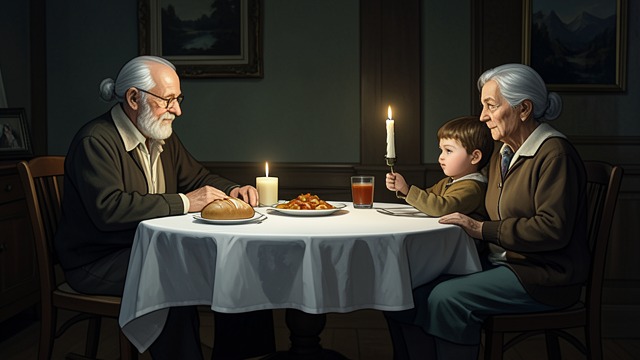
Christmas Vigil
Shared observance
At the Boryna home, the family shares wafer, a meatless meal, prayer, and blessings for animals.
Sacred fellowship
The rituals temporarily bring household members, guests, and even an abandoned elder into one place of welcome.
A Sermon of Judgment
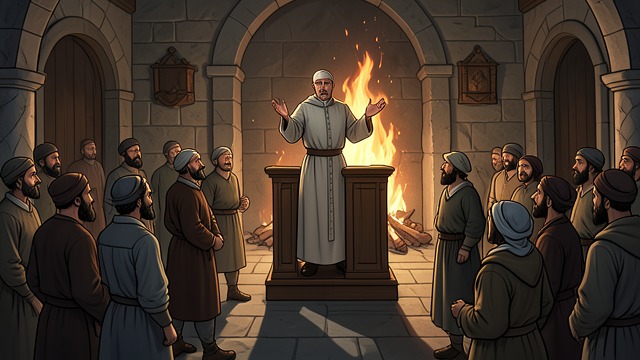
A Sermon of Judgment
Public admonition
The priest condemns Antek from the pulpit after the fire, shaping how villagers see him and his alleged crimes.
A contested authority
The sermon shows the power of religious judgment, but also its uneven application and its capacity to isolate a person.
Faith at the Funeral
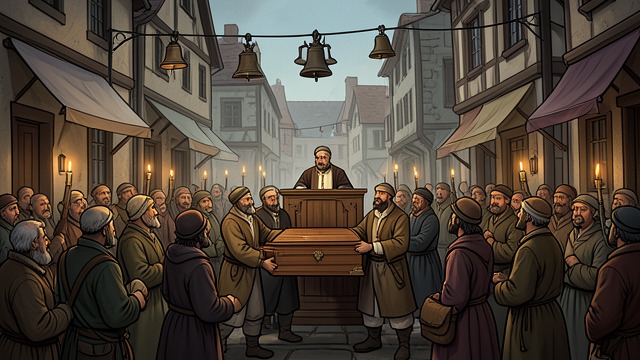
Faith at the Funeral
Ritual of departure
The village accompanies Maciej Boryna’s body through prayers, bells, candles, and a funeral service.
Comfort and social judgment
The ceremony gives mourners a shared language for death, while the priest’s sermon also turns the funeral into a warning about communal wrongdoing.
early autumn
All Souls’ Day
Christmas Eve
Lent
Maciej’s funeral
